

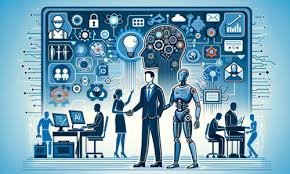
The modern workplace is experiencing a major transformation as technology continues to advance at an incredible pace. One of the most influential forces behind this change is artificial intelligence. Businesses across the globe are adopting intelligent systems to improve productivity, analyze complex data, and automate repetitive tasks. Because of this shift, discussions about Artificial Intelligence and Its Impact on Jobs have become increasingly important for workers, employers, and policymakers.
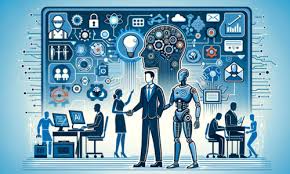
As organizations integrate advanced technologies into their operations, the nature of work is evolving. While some traditional roles are changing, new opportunities are also emerging. Understanding how these developments influence employment can help individuals prepare for the future of work.
How Technology Is Reshaping the Workplace
Over the past few decades, workplaces have moved from manual processes to digital systems. Today, intelligent technologies are capable of performing tasks that once required significant human effort. Automated tools can process information, detect patterns, and even support decision-making.
This transformation has sparked global discussions about Artificial Intelligence and Its Impact on Jobs, particularly in industries where routine work is common. Instead of eliminating employment completely, many organizations are using technology to enhance productivity while allowing employees to focus on more creative and strategic tasks.
Workers are increasingly expected to collaborate with digital systems, making technological literacy an essential skill in the modern workforce.
Industries Most Affected by Automation
Manufacturing
Manufacturing has been one of the first sectors to experience significant technological change. Automated machines and robotics now handle many repetitive production tasks, improving efficiency and reducing errors. However, human workers remain essential for supervising systems, managing production processes, and ensuring quality control.
Healthcare
In healthcare, advanced data analysis tools help doctors interpret medical images and patient information more quickly. These technologies support medical professionals rather than replacing them, improving the accuracy and speed of diagnosis.
Finance
Financial institutions use advanced analytical systems to monitor transactions, detect fraud, and evaluate market trends. These tools allow professionals to make faster and more informed financial decisions.
Across these sectors, the discussion around Artificial Intelligence and Its Impact on Jobs continues to grow as companies balance automation with human expertise.
Emerging Career Opportunities
Although some traditional roles are evolving, technological advancement is also creating entirely new professions. As organizations depend more on digital systems, the demand for skilled professionals in technical and analytical roles continues to rise.
Some of the fastest-growing careers include:
- Data analysis and data science
- Cybersecurity specialists
- Software and application development
- Digital marketing and online business strategy
- Technology consulting
These emerging opportunities highlight an important aspect of Artificial Intelligence and Its Impact on Jobs: while certain tasks become automated, new industries and career paths often develop alongside technological progress.
The Importance of Skills and Adaptability
Adapting to change has become a key requirement for success in today’s workforce. Employees who continuously update their skills are more likely to thrive in industries influenced by digital transformation.
Educational institutions and training organizations are increasingly offering programs that focus on technology, digital literacy, and problem-solving. These programs help workers prepare for evolving job roles and remain competitive in the job market.
As businesses continue to adopt advanced technologies, learning new skills will remain essential for professionals navigating Artificial Intelligence and Its Impact on Jobs in the years ahead.
Human Skills That Technology Cannot Replace
Despite the rapid growth of intelligent technologies, certain human abilities remain irreplaceable. Skills such as creativity, empathy, and complex decision-making are difficult for machines to replicate.
Important human strengths include:
- Critical thinking and problem solving
- Leadership and teamwork
- Emotional intelligence
- Creativity and innovation
- Strategic planning
Organizations increasingly value employees who combine technical knowledge with strong interpersonal abilities.
