

In an increasingly connected global economy, businesses must operate efficiently across borders, time zones, and platforms. Manual processes are no longer sufficient for managing complex international operations. Building workflow automation that executes world marketplace tasks is a strategic approach to streamline operations, reduce errors, and ensure real-time decision-making.
This article provides a professional framework to implement workflow automation for global operations, offering practical insights and real-world applications.
What is Workflow Automation for the Global Marketplace?
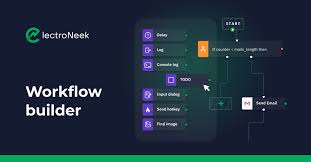
Workflow automation for the world marketplace refers to the use of intelligent systems that manage and execute business processes across multiple regions and platforms with minimal human intervention. These automated workflows can:
- Coordinate transactions, logistics, and operations across different countries
- Integrate multiple platforms, marketplaces, and partners
- Ensure compliance with regional regulations and policies
- Provide real-time monitoring, analytics, and reporting
By automating workflows, organizations can achieve faster execution, higher accuracy, and greater scalability in global operations.
Core Components of a Global Workflow Automation Framework
1. Centralized Automation Platform
A centralized platform allows organizations to manage all workflow automation platform in one system. This platform should integrate with marketplaces, supply chains, payment systems, and enterprise tools.
Example: An enterprise can manage product listings, pricing, and inventory updates across Amazon, eBay, and Alibaba from a single dashboard.
2. Intelligent Agents
Autonomous agents perform tasks such as order processing, inventory updates, and customer notifications without manual input. They can adapt to changing market conditions and business rules.
3. Decision-Making and Rules Engine
A rules engine ensures consistent, compliant, and effective execution of workflows. This includes prioritizing tasks, handling exceptions, and automating decision-making for operations like pricing, routing, and fulfillment.
4. Integration with Marketplaces and Tools
Seamless integration with global marketplaces, ERP systems, and logistics providers is essential. APIs and cloud-based connectors allow real-time data exchange and ensure workflows run without interruptions.
5. Monitoring and Analytics
Performance dashboards and reporting tools provide visibility into operations, track efficiency, and identify bottlenecks. Continuous monitoring enables quick adjustments and process optimization.
Benefits of Building Workflow Automation for Global Markets
- Operational Efficiency: Automated execution of tasks reduces manual work and accelerates processes.
- Scalability: Easily manage high volumes of global transactions without adding additional staff.
- Error Reduction: Automated workflows minimize human error in complex operations.
- Compliance: Ensure adherence to local laws, regulations, and marketplace policies.
- Data-Driven Decisions: Real-time analytics provide insights to improve operational strategy.
Real-World Applications
E-commerce
- Automate product listing updates across multiple marketplaces
- Manage inventory levels and pricing dynamically
- Coordinate order fulfillment and shipping globally
Logistics and Supply Chain
- Optimize routing of shipments across regions
- Track deliveries and automate notifications
- Predict delays and adjust workflows in real time
Finance and Payments
- Automate invoicing, currency conversion, and payment reconciliation
- Ensure compliance with international tax regulations
- Monitor fraud and transactional anomalies automatically
Marketing and Customer Engagement
- Automate campaigns across regions with localized content
- Trigger notifications and promotions based on customer behavior
- Collect and analyze global customer feedback
Step-by-Step Approach to Build Global Workflow Automation
- Identify Key Processes: Target high-volume, repetitive, or complex operations that benefit most from automation.
- Select the Right Tools: Choose platforms and software that support integration with multiple marketplaces and global operations.
- Define Rules and Exceptions: Establish clear guidelines for automated decisions, including handling errors or unusual conditions.
- Integrate Systems: Connect ERP, logistics, marketplaces, and communication tools for seamless workflow execution.
- Test and Optimize: Conduct rigorous testing to ensure smooth operation, monitor performance, and continuously improve processes.
The Future of Global Workflow Automation
As global marketplaces continue to evolve, automation will become critical for maintaining a competitive edge. Businesses adopting intelligent workflow systems will benefit from:
- Faster decision-making across borders
- Increased operational transparency
- Smarter allocation of human resources to strategic initiatives
- Ability to respond to market fluctuations in real time
The shift toward fully automated, intelligent global workflows represents a strategic advantage for forward-thinking organizations.
Conclusion
Building workflow automation that executes world marketplace operations is no longer optional—it is essential for scaling, efficiency, and competitiveness. By combining centralized platforms, intelligent agents, integration capabilities, and continuous monitoring, organizations can streamline global operations, reduce errors, and maximize performance.
Implementing this framework equips businesses to thrive in the modern global economy, ensuring that every transaction, decision, and workflow runs efficiently, accurately, and strategically.
