

Businesses today face increasing pressure to do more with less—streamlining operations, reducing costs, and improving decision-making speed. Agentic automation offers a workflow automation platform solution by using autonomous agents capable of making real-time decisions, performing complex tasks, and adapting to evolving business environments.
This guide provides a professional framework for implementing agentic automation, grounded in real-world practices, to help organizations achieve operational excellence and sustainable growth.
Understanding Agentic Automation
At its core, agentic automation refers to systems where autonomous software agents operate independently to complete tasks, make decisions, and optimize workflows. Unlike traditional automation, which relies on fixed rules and manual oversight, agentic systems can:
- Analyze and respond to complex data dynamically
- Adapt their actions based on outcomes and environmental changes
- Reduce human intervention while increasing precision and efficiency
This approach is particularly valuable for organizations aiming to scale operations without proportionally increasing resources.
Core Components of a Professional Framework
Successful implementation of agentic automation requires an integrated framework that aligns technology with organizational goals. Key components include:
1. Autonomous Agents
Autonomous agents are intelligent programs designed to act independently within defined parameters. They perform repetitive or decision-driven tasks, monitor performance, and adapt their actions based on outcomes.
Example: In logistics, an agent can automatically reroute deliveries based on traffic patterns and warehouse capacity, without requiring human input.
2. Decision-Making Models
A structured decision-making framework ensures agents act consistently and reliably. Techniques such as predictive modeling, heuristic analysis, and scenario-based rules allow agents to make informed choices in real-time.
3. Integration with Existing Systems
Agents must operate within the organization’s existing ecosystem, connecting to databases, ERP systems, and workflow tools. Proper integration avoids operational disruptions and enables seamless information flow.
4. Monitoring and Feedback Loops
Continuous oversight ensures agents perform optimally. Dashboards, automated reporting, and performance metrics allow managers to evaluate effectiveness, detect anomalies, and refine processes.
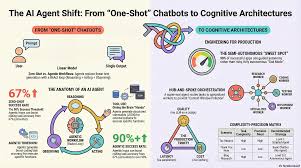
Benefits of Agentic Automation in Real-World Settings
Agentic automation delivers measurable advantages across industries:
- Efficiency Gains: Automating complex, repetitive tasks reduces workload and accelerates processes.
- Scalability: Autonomous agents handle increasing volumes of work without requiring additional human resources.
- Error Reduction: Consistent, data-driven actions minimize operational mistakes.
- Strategic Focus: Teams can shift attention to high-value initiatives, innovation, and decision-making.
Practical Applications Across Industries
Finance
- Real-time fraud detection
- Portfolio management and risk assessment
- Compliance monitoring
Healthcare
- Patient scheduling and monitoring
- Predictive diagnostics support
- Operational optimization in hospitals
Manufacturing
- Predictive maintenance of equipment
- Supply chain and inventory optimization
- Automated quality control
Retail and E-commerce
- Personalized customer experiences
- Demand forecasting and inventory management
- Dynamic pricing strategies
Implementing Agentic Automation: A Step-by-Step Approach
- Identify Critical Processes: Target high-impact, repetitive, or decision-heavy tasks.
- Select the Right Tools: Evaluate platforms that align with organizational needs and scale.
- Define Rules and Objectives: Establish clear decision-making guidelines for agents.
- Integrate and Test: Ensure seamless interaction with existing systems and workflows.
- Monitor and Optimize: Use performance data to refine agents and processes over time.
The Future of Agentic Automation
Looking ahead, agentic automation will become a core driver of competitive advantage. Organizations that adopt this technology strategically will be able to:
- Operate with greater agility
- Respond to market changes faster
- Free human resources for innovation and growth
The shift toward autonomous, intelligent systems will redefine operational standards across industries.
Conclusion
Agentic automation is not just a technological innovation—it’s a strategic enabler. By leveraging autonomous agents within a structured, professional framework, organizations can achieve efficiency, scalability, and smarter decision-making. Implemented thoughtfully, agentic automation equips businesses to thrive in an increasingly complex and competitive environment.
