

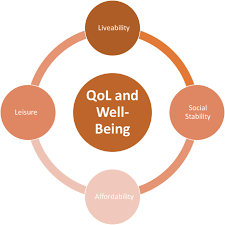
Human beings are naturally social. The connections people build with others and their involvement in community life play an important role in shaping overall well-being. Strong relationships and participate in society help individuals feel supported, valued, and connected to the world around them.
Social well-being grows when individuals interact positively with others and contribute to their communities. Through meaningful relationships and active engagement, people can develop a stronger sense of belonging and purpose.
Understanding Social Well-Being
Social well-being refers to the quality of a person’s interactions with others and their sense of belonging in a community. It includes trust, communication, and cooperation between individuals.
When people feel connected to those around them, they are more likely to experience emotional balance and personal satisfaction. Social support also helps individuals cope with life’s challenges more effectively.
The Importance of Human Relationships
Relationships form the foundation of social life. Family members, friends, colleagues, and neighbors all play important roles in shaping a person’s experiences.
Healthy relationships are based on respect, understanding, and open communication. These connections provide emotional support during difficult times and allow people to celebrate achievements together. Strong relationships also encourage empathy and cooperation, which help create positive social environments.
The Value of Community Participation
Taking part in community activities allows individuals to feel connected to something greater than themselves. Community participation may include volunteering, attending local events, or supporting social initiatives.
Active participation strengthens communities by encouraging collaboration and shared responsibility. When individuals contribute their time and effort, they help create supportive environments where everyone can grow and succeed.
Benefits of Social Connections
Building strong relationships and staying socially active offers many advantages for both individuals and communities.
Some key benefits include:
- Increased emotional support and reduced loneliness
- Greater sense of belonging and purpose
- Improved communication and cooperation skills
- Opportunities for personal and social growth
- Stronger and more resilient communities
These benefits show how meaningful connections can positively influence both personal well-being and collective progress.
Building Stronger Social Bonds
Developing healthy social connections requires consistent effort and mutual respect. Individuals can strengthen their social well-being by maintaining open communication, showing empathy, and supporting others.
Participating in community activities, helping neighbors, or joining local initiatives can also create opportunities to meet new people and build lasting relationships.
Small actions often lead to meaningful connections that strengthen both individuals and communities.
Conclusion
Healthy relationships and active social participation are essential for building strong and supportive communities. When people connect with others and contribute to society, they create environments that encourage trust, cooperation, and mutual respect.
By valuing relationships and staying involved in community life, individuals can improve their own well-being while also helping society grow in positive and meaningful ways.
