

Introduction
The circumstances surrounding the death of Jeffrey Epstein continue to raise questions years after the incident occurred inside a federal detention facility in New York. Recent disclosures and renewed reviews of official records have placed fresh attention on the actions of correctional officers responsible for monitoring the high-profile detainee. As a result, a NY prison guard under scrutiny over Epstein’s death has once again become the focus of legal discussions, media coverage, and public debate.
Background of the Case
Jeffrey Epstein, a wealthy financier who faced serious federal charges related to sex trafficking, was arrested in July 2019. Following his arrest, he was held at the Metropolitan Correctional Center, a federal facility known for housing inmates involved in high-profile criminal cases.
On August 10, 2019, Epstein was found unresponsive in his cell. Authorities later determined that he died by suicide, but the situation quickly sparked widespread speculation and criticism. Observers pointed to multiple irregularities surrounding the conditions of his detention, including reports of malfunctioning cameras, staff shortages, and questions about whether proper monitoring procedures had been followed.
Because of the significance of the charges against Epstein and the international attention surrounding the case, his death triggered multiple investigations and internal reviews.
Guard’s Role Under Review
The renewed focus on a NY prison guard under scrutiny over Epstein’s death centers on the correctional staff responsible for supervising inmates in the housing unit where Epstein was detained. According to official procedures within federal detention facilities, guards must conduct routine checks on inmates at regular intervals to ensure their safety and wellbeing.
However, investigative findings have suggested that required monitoring rounds may not have been completed during the night leading up to Epstein’s death. Internal reports indicated that log entries documenting those checks might not have accurately reflected the guards’ actual activities during that time.
Such discrepancies raised concerns about whether established safety protocols were properly followed inside the detention center.
Findings From Federal Investigations
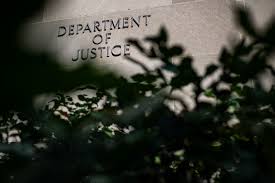
The U.S. Department of Justice conducted an extensive review of the incident through its internal oversight bodies. The investigation concluded that several operational failures contributed to the conditions surrounding Epstein’s death.
Investigators highlighted problems including staff fatigue, extended work shifts, and inadequate supervision within the facility. In addition, concerns were raised about documentation practices, particularly regarding records intended to show that inmate checks had been conducted.
While legal proceedings involving correctional officers connected to the case were eventually resolved, the investigation exposed systemic weaknesses in prison management that extended beyond individual personnel.
Security and Institutional Challenges
The renewed scrutiny surrounding Epstein’s death has also brought attention to broader issues affecting the federal prison system. Correctional experts have long warned that some facilities face persistent challenges such as understaffing, aging infrastructure, and increasing operational demands.
These conditions can create an environment where even routine procedures become difficult to maintain consistently. In high-security environments where detainee monitoring is essential, any lapse—intentional or accidental—can have serious consequences.
In the Epstein case, such institutional challenges became particularly significant because of the extraordinary public attention attached to the investigation against him.
Public Reaction and Ongoing Debate
The death of Jeffrey Epstein remains one of the most widely debated incidents involving the American correctional system in recent years. Many members of the public and political observers have continued to question how such a high-profile detainee could die in custody under circumstances that involved multiple procedural failures.
As additional information occasionally surfaces through court filings, investigative journalism, and government reports, discussions about accountability and transparency continue to evolve.
The renewed attention on a NY prison guard under scrutiny over Epstein’s death reflects how unresolved questions can continue to shape public perception of institutional credibility and oversight.
Impact on Prison Oversight and Reform
Beyond the immediate case, the Epstein incident has influenced broader conversations about prison oversight and reform. Legal analysts and criminal justice experts argue that the case highlights the need for stronger monitoring systems, improved staffing policies, and clearer accountability mechanisms within federal detention facilities.
Some policymakers have also emphasized the importance of modernizing surveillance infrastructure and strengthening internal review processes to prevent similar situations in the future.
By drawing attention to operational weaknesses, the case has become an example frequently cited in discussions about improving correctional standards and restoring public trust in the system.
Conclusion
The renewed focus on a NY prison guard under scrutiny over Epstein’s death demonstrates how the case continues to resonate years after the event itself. Although official investigations have provided explanations for what happened, the emergence of new details keeps the issue alive in public discourse.
For many observers, the case represents more than a single incident—it reflects broader questions about accountability, transparency, and the responsibilities of institutions entrusted with safeguarding individuals in custody. As scrutiny continues, the lessons drawn from this case may influence future reforms within the correctional system and shape how similar situations are handled moving forward.
