

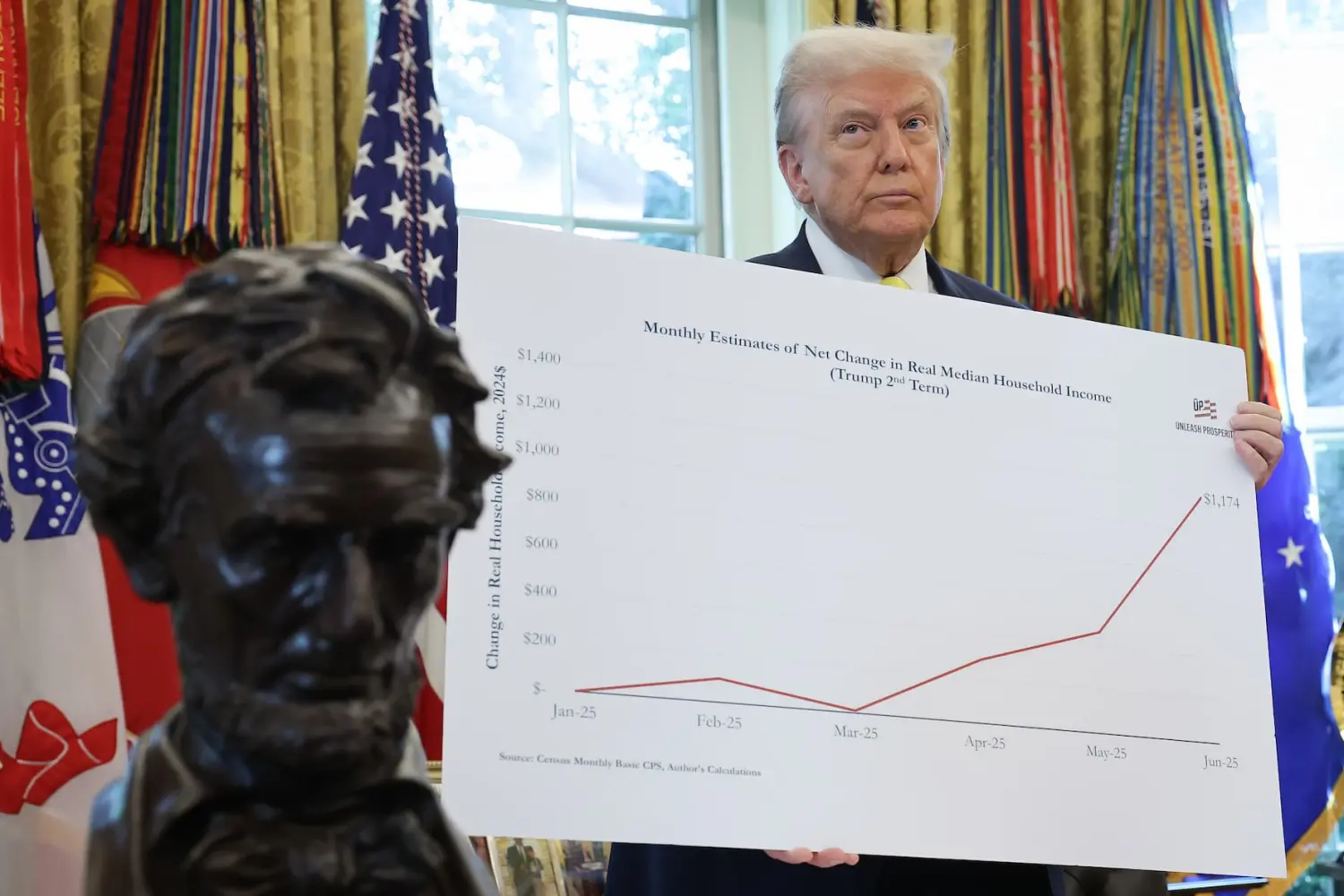
The evolving U.S. economic landscape is once again drawing attention to Donald Trump, as discussions around the Trump Economic Decision 2026 gain momentum. Positioned at the intersection of fiscal policy and political strategy, this decision could redefine how economic priorities are set in the years ahead.
With inflationary pressure, shifting labor dynamics, and global uncertainty influencing domestic policy, the significance of this development extends far beyond immediate financial adjustments. It represents a broader test of how targeted economic action can shape national stability and growth.
Policy Direction and Strategic Objectives
At its core, the Trump Economic Decision 2026 appears to reflect a preference for assertive, outcome-driven economic policy. Rather than relying solely on gradual legislative processes, the approach suggests a focus on direct financial measures aimed at accelerating economic response.
Key strategic objectives may include:
- Strengthening domestic economic activity
- Delivering measurable financial outcomes in the short term
- Reinforcing policy commitments through visible action
Such an approach often prioritizes speed and impact, though it also requires careful calibration to avoid unintended fiscal consequences.
Household-Level Economic Effects
For American households, the implications of this decision could be both immediate and structural.
Income and Spending Power
Any policy that influences financial distribution or taxation has a direct effect on disposable income. Increased liquidity may support consumer spending, particularly in sectors sensitive to demand fluctuations.
Cost Pressures and Inflation
Economic stimulus, while beneficial in the short term, can also contribute to price pressures. The balance between supporting households and maintaining price stability will be a key measure of policy effectiveness.
Consumer Confidence
Perhaps most importantly, clarity and consistency in economic policy tend to strengthen consumer confidence. When households feel financially secure, broader economic activity often follows.
Business Environment and Market Behavior
The response from the business community will play a decisive role in shaping the overall outcome of the Trump Economic Decision 2026.
Capital Allocation and Investment
Businesses are likely to reassess investment strategies in response to:
- Changes in fiscal policy
- Market expectations
- Regulatory adjustments
Employment Trends
A stable and supportive policy environment can encourage hiring and workforce expansion. Conversely, uncertainty may lead to more cautious decision-making.
Operational and Compliance Factors
New directives often introduce shifts in compliance requirements, influencing operational costs and long-term planning for organizations across industries.
Macroeconomic Implications
Beyond individual households and businesses, the broader economic impact will depend on how effectively the policy aligns with national fiscal goals.
Key Areas of Impact:
- Inflation Management: Whether the policy helps control or accelerates price increases
- Economic Growth: The extent to which it stimulates productivity and output
- Fiscal Sustainability: Long-term implications for government spending and national debt
A well-balanced approach could reinforce economic resilience, while misalignment may create structural challenges that extend beyond the immediate policy cycle.
Political Context and Public Narrative
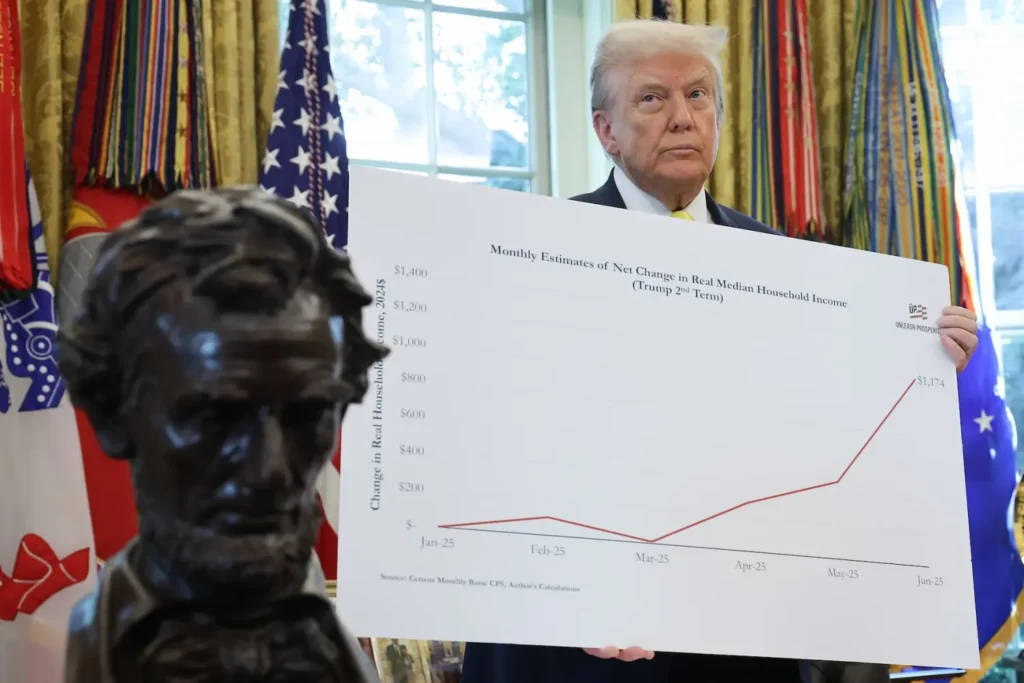
Economic decisions of this scale inevitably shape political discourse. The Trump Economic Decision 2026 is likely to become a central topic in debates over fiscal responsibility and government intervention.
Supporters may interpret the move as decisive leadership designed to deliver tangible results. Critics, however, may question its long-term sustainability and broader economic risks.
Public perception will be critical—not only in influencing political momentum but also in shaping economic behavior at the consumer and business levels.
Long-Term Outlook
The ultimate success of this decision will depend on execution, adaptability, and transparency. Policies that are clearly communicated and effectively implemented tend to generate stronger outcomes across all sectors.
Key long-term considerations include:
- Alignment with existing economic frameworks
- Responsiveness to changing market conditions
- Institutional coordination and oversight
If these elements are managed effectively, the policy could contribute to sustained economic growth. If not, it may introduce volatility into an already complex financial environment.
Conclusion
The Trump Economic Decision 2026 stands as a potentially defining moment in contemporary U.S. economic policy. Its impact on households and businesses will unfold over time, shaped by both strategic intent and real-world execution.
As economic conditions continue to evolve, this decision may ultimately serve as a benchmark for how targeted fiscal action can influence national stability, market confidence, and long-term growth.
